Market News
Coverage of stocks, earnings, economic data, central banks, commodities, crypto, and global markets — explained in plain English.
0+ Market Stories · Updated Throughout the Day
Today's Markets
S&P 500
7,747.71
▲ +0.22%
Updated 4:17 PM
Nasdaq
26,584.06
▲ +0.16%
Updated 4:17 PM
Dow Jones
53,686.10
▲ +0.22%
Updated 4:17 PM
Bitcoin
65,166
▲ +1.13%
Updated 4:17 PM
Gold
4,513.00
▲ +1.85%
Updated 4:17 PM
EUR/USD
1.1629
▲ +0.35%
Updated 4:17 PM
All Markets
Europe
Stocks
See all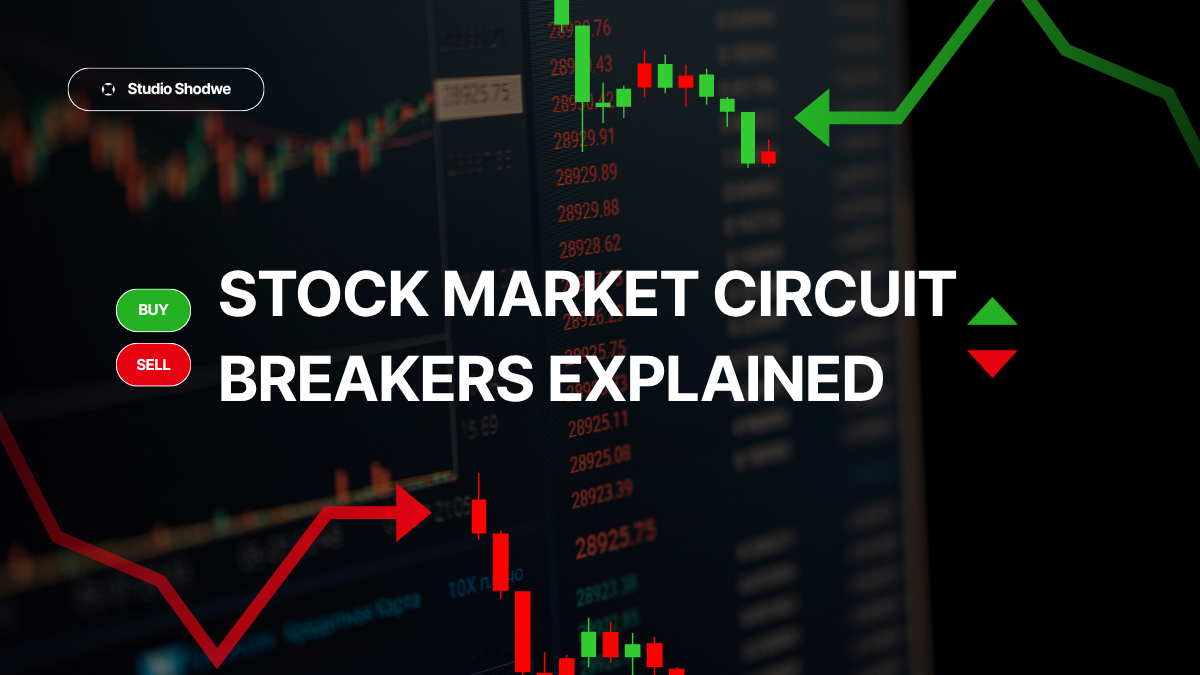
Circuit Breakers: The 1997 Halt That Rewrote How Markets Stop Trading
Circuit breakers are automatic trading halts triggered by steep, fast market declines — a safeguard designed to give investors a pause and curb panic-driven selling.
By Jason Fernando
Trading Hours: Why the Same Order Costs More at 9:30 Than at Noon
U.S. stock markets run on a set daily schedule, with regular trading hours, extended pre-market and after-hours sessions, and meaningfully different liquidity and risk in each.
By Dara-Abasi Ita
Dividend Yield: Formula, Examples, and What a High Yield Really Signals
Dividend yield measures a stock's annual dividend payment as a percentage of its share price — a quick income comparison tool that can also hide risk when a yield looks unusually high.
By James Okafor
Return on Assets: The Number Lehman Never Printed
Return on assets measures how efficiently a company turns what it owns into profit — net income divided by total assets — and is most useful when compared within the same industry.
By Marcus Reid
Small Caps: A Percentile Band, and What It Costs to Trade
Small-cap stocks are shares in companies typically worth $300 million to $2 billion — smaller, less-followed businesses that offer higher growth potential alongside meaningfully higher risk and volatility.
By Hans Daniel Jasperson
Outstanding Shares: Issued, Float, Treasury, and Why the Count Keeps Moving
Outstanding shares are all the shares a company has issued and that are currently held by shareholders, including insiders — the figure used to calculate market capitalization and earnings per share.
By Troy Segal
Market Guides
No articles published in this category yet — check back soon.
Frequently Asked Questions
Never Miss the Market
A 5-minute market briefing delivered every morning.