Building wealth from nothing follows a unglamorous, well-documented sequence — it's not a secret, it's just rarely followed consistently enough to compound.
IMPERIALPEDIA EXCLUSIVE// PERSONAL FINANCE
How to Build Wealth From Scratch: The Honest Playbook
Building wealth from scratch isn't magic — it's a formula: earn more, spend less, invest the gap, protect it, and repeat for decades. This guide shows you exactly how.
IMPERIALPEDIA
KEY TAKEAWAYS // THE QUICK READ
- Wealth comes from consistently investing the gap between what you earn and what you spend — both sides of that equation matter equally.
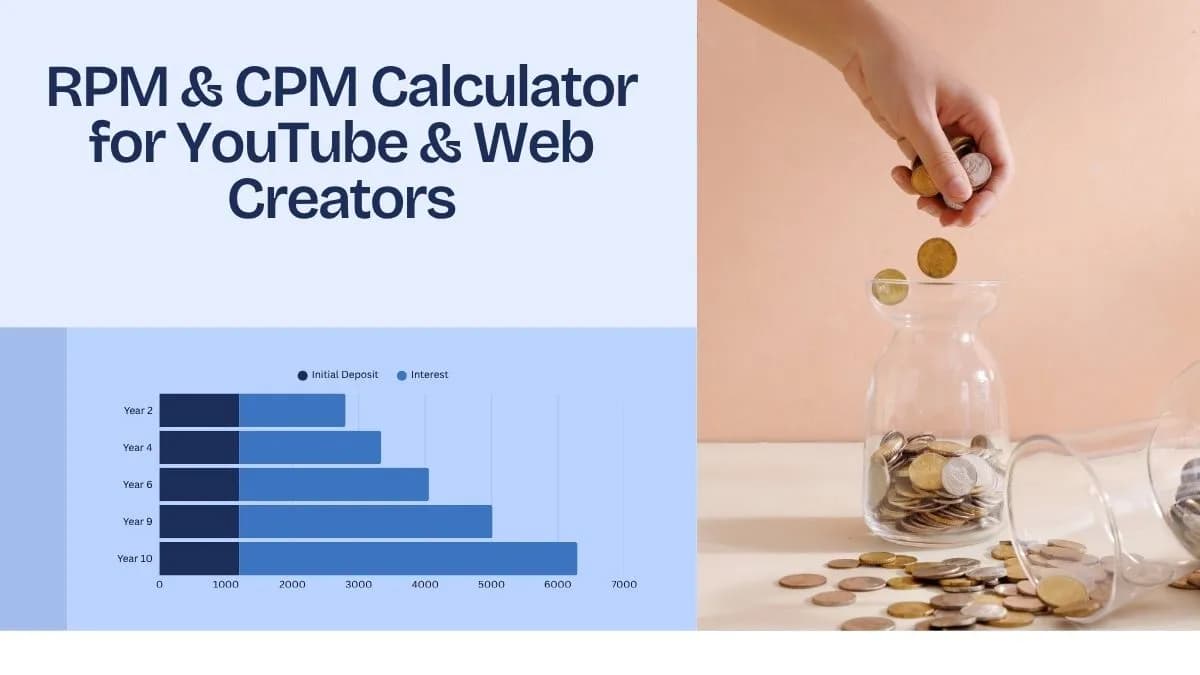
- Start investing as early as possible; a ten-year head start in the compounding table above outweighs three times the total contributions made later.
- Always contribute enough to capture your full 401(k) employer match — it is an instant guaranteed return unavailable anywhere else.
- Prioritize eliminating high-interest debt (above ~8% APR) before investing beyond the employer match, since debt interest rates outpace average market returns.
- Use low-cost total market index funds to minimize fees — even a 1% annual fee difference compoundsto a massive performance gap over 30 years.
- Avoid lifestyle inflation by automating savings increases every time income rises, so the gap between earning and spending widens rather than staying flat.
- Patience is the non-negotiable ingredient: the largest gains come in the final decade of compounding, so staying invested through downturns is as important as the initial decision to invest.
The Sequence That Actually Works
In order: build a starter emergency fund (~$1,000), eliminate high-rate debt (anything above ~7-8%, especially 20%+ credit cards), build a full 3-6 month emergency fund, then invest consistently — starting with any employer 401(k) match (free money, take it before anything else), then maxing tax-advantaged accounts (2026 limits: $24,500 401(k), $7,500 IRA) before taxable investing. Fidelity's benchmark — 1x salary by 30, 3x by 40, 6x by 50 — gives you a if imperfect, way to check progress.
A nuance worth flagging: The order matters more than the individual pieces — investing while carrying 22% APR credit card debt means your "investment return" needs to beat 22% just to break even, which essentially never happens reliably. Eliminate high-rate debt before investing beyond any employer match, even though it feels less exciting than "building wealth."
Someone Starting With Nothing and Some High-Rate Debt: The sequence above is your roadmap — resist the urge to invest before addressing debt above roughly 7-8%, regardless of how compelling a specific investment opportunity seems.
Someone Debt-Free But Behind on Savings: Skip straight to maximizing the employer match, then tax-advantaged accounts — you're ahead of the sequence already, focus on consistency and savings rate over any specific investment pick.
Follow the Sequence, Starting Today
- Build a $1,000 starter emergency fund if you don't have one.
- List debts by rate — attack anything above 7-8% before investing further.
- Capture your full employer 401(k) match if available — it's an immediate, guaranteed return.
- Build toward a full 3-6 month emergency fund, then increase retirement contributions toward the 2026 limits.
See the emergency fund guide, debt snowball vs avalanche, and Roth vs traditional retirement accounts for each step in detail.
IMPERIALPEDIA GLOSSARY
KEY TERMS DEFINED IN THIS GUIDE
TERM
FULL DEFINITIONNet Worth
The quantitative measure of total financial health, calculated as all owned assets (cash, property, investments) minus all liabilities (debts, mortgages).
TERM
FULL DEFINITIONBudget
A comprehensive spending plan based on income and expenses that guides saving, investing, and debt management over specific calendar cycles.
TERM
FULL DEFINITIONCompound Interest
Interest earned on both principal capital and accrued interest, creating exponential growth over long multi-decade horizons.
Try it yourself
IMPERIALPEDIAHOT COVERAGE
EXPLORE ALL PERSONAL FINANCE →Get weekly Personal Finance tips
No spam — one email a week, unsubscribe anytime.