September Fed Rate Hike Odds Rise After Kevin Warsh Remarks | Imperialpedia
Businessbreaking
September Fed Rate Hike Odds Rise After Kevin Warsh Remarks
By Cierra MurryPublished Mon, Aug 31, 2026, 3:57 PM EDT · Updated Sun, Sep 20, 2026, 8:11 AM EDT
Listen16 min
Markets Raise Bets on September Fed Rate Hike After Warsh Remarks, but Investors Remain Divided
U.S. financial markets are entering September with a major policy question in focus: Will the Federal Reserve raise interest rates at its upcoming meeting?
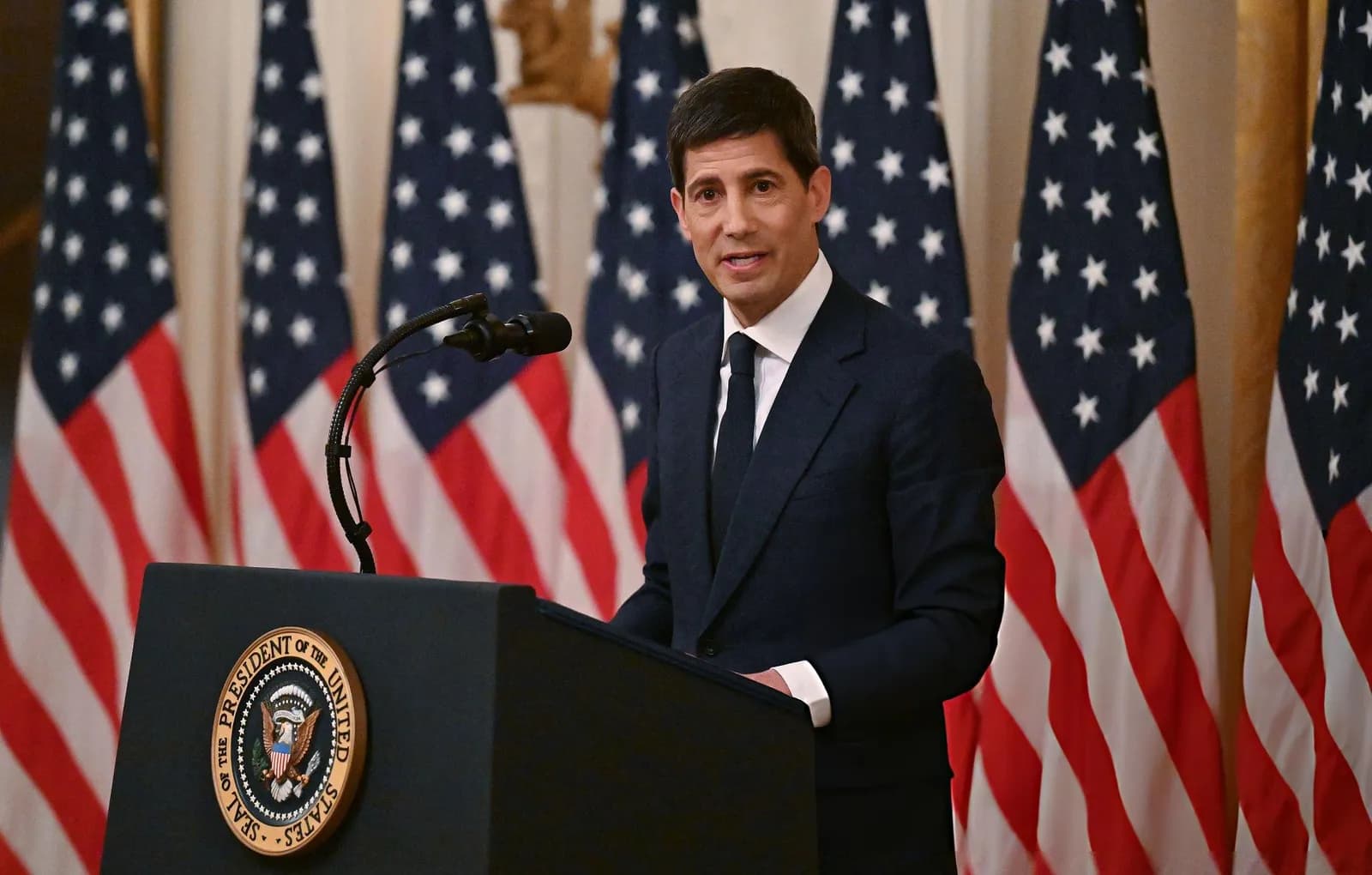
Expectations for a September rate increase climbed after Fed Chair Kevin Warsh used a speech at the Jackson Hole economic symposium to stress that recent improvements in inflation have not yet provided enough confidence that price pressures are firmly heading toward the central bank’s 2% target.
The shift was notable because investors had previously assigned a much lower probability to a September increase. Following Warsh’s remarks, market-based pricing moved toward a roughly two-thirds chance of a rate hike at the Federal Open Market Committee’s Sept. 15-16 meeting.
That change has put the Fed’s inflation fight back at the center of the market outlook.
However, higher rate-hike expectations do not mean policymakers have made a final decision. Several economic reports are due before the September meeting, and those numbers could significantly alter the debate.
Why Markets Are Betting on a September Rate Hike
Warsh’s comments were interpreted as a warning that the Federal Reserve may not be satisfied with the pace of improvement in underlying inflation.
Although some recent inflation readings have eased, consumer prices remain above the Fed’s long-term objective. For policymakers, the question is not simply whether inflation has fallen from its highs, but whether the decline is durable enough to put the economy on a clear path toward 2% inflation.
That distinction matters for interest-rate policy.
If inflation remains stubborn, the Fed could face pressure to keep monetary policy restrictive or even raise rates. But if price growth continues to slow while the labor market weakens, officials may have more reason to leave rates unchanged.
Markets are therefore watching the incoming data closely.
The increase in market expectations has not produced a consensus among economists.
Some analysts believe investors may have moved too quickly in assuming that Warsh’s comments guarantee a September increase. Their argument is that the economic data have not clearly demonstrated a need for additional tightening.
Inflation has remained elevated, but some measures are moving closer to the Fed’s target. Meanwhile, softer hiring raises concerns about the economy’s underlying momentum.
That creates a difficult balancing act for the central bank.
Raising rates too aggressively could put additional pressure on employment and economic growth. Waiting too long could allow inflation to remain above target for longer than policymakers would like.
Wall Street Focuses on the Next Economic Reports
The market’s current outlook could change substantially before the Fed meets.
Investors will be watching several releases for clues about the central bank’s likely decision:
U.S. employment data: Provides a critical reading on labor-market strength. Consumer Price Index: Offers another measure of consumer inflation. Producer Price Index: Tracks price pressures earlier in the production chain. Personal Consumption Expenditures inflation: The Federal Reserve’s preferred inflation measure. Retail sales: Shows how strongly U.S. consumers are continuing to spend. Housing data: Provides insight into an interest-rate-sensitive part of the economy.
The combination of these reports will help determine whether the Fed sees inflation as the greater threat or becomes more concerned about slowing economic activity.
What a September Rate Hike Could Mean for Markets
A Federal Reserve rate increase would likely reinforce the view that policymakers remain focused on controlling inflation, potentially affecting Treasury yields, the U.S. dollar and interest-rate-sensitive areas of the stock market.
Inflation Keeps the Fed Under Pressure
The latest personal consumption expenditures data showed headline inflation at 3.7% year over year in July, while core inflation stood at 3.3%.
Those figures remain above the Federal Reserve’s 2% target.
At the same time, some measures of underlying inflation have been considerably closer to the Fed’s objective. That creates a complicated picture for policymakers, particularly because monetary policy affects the economy with a lag.
Warsh has acknowledged the recent softer inflation readings but has argued that policymakers need stronger evidence that underlying price pressures are moving consistently toward the Fed’s goal.
For investors, that message suggests the new Fed chair may be willing to place greater emphasis on persistent inflation risks when determining the path of interest rates.
Labor Market Could Change the September Decision
The biggest counterweight to the inflation argument may be the U.S. labor market.
Recent employment data have shown signs of cooling, with hiring losing momentum. That raises the possibility that the economy may not be strong enough to absorb additional monetary tightening without creating unnecessary economic weakness.
The upcoming jobs report will therefore be particularly important.
A stronger-than-expected employment report could support the case for higher interest rates if it also points to continued economic resilience.
A weak report, however, could make a September rate hike more difficult to justify.
The Fed will have several other economic indicators to consider as well, including consumer prices, producer prices, retail sales and housing data.
Economists Are Not Convinced a Hike Is Necessary
Conversely, if the Fed keeps rates unchanged despite elevated market expectations for a hike, investors could quickly reassess the outlook for monetary policy.
The reaction could be particularly important because markets have already adjusted significantly following Warsh’s latest remarks.
For borrowers and consumers, the direction of Fed policy also matters. Higher interest rates can keep financing costs elevated, while expectations for future rate cuts or a pause can influence mortgages, business borrowing and other credit markets.
The Fed Faces a Difficult Policy Choice
The September meeting is shaping up to be a closely watched test for the Federal Reserve.
Warsh’s comments have strengthened the case for a rate increase, but the economic data have not removed the arguments for patience.
The central bank must determine whether inflation is persistent enough to warrant additional tightening or whether weakening labor-market conditions call for holding rates steady.
For now, financial markets are assigning significantly higher odds to a September rate hike than they did before Warsh’s Jackson Hole remarks.
But with important inflation and employment reports still ahead, investors should expect those expectations to remain sensitive to every major economic release.
Bottom Line
The market’s September Fed rate-hike outlook has changed sharply following Kevin Warsh’s latest comments on inflation. Investors are now pricing in a much greater chance of a Federal Reserve increase, but economists remain divided.
The next jobs and inflation reports could ultimately decide whether the Fed follows through with a September hike or chooses to wait.
For markets, the message is clear: <strong>the September Federal Reserve decision is no longer a distant possibility—it is now one of the biggest policy events on the U.S. economic calendar.</strong>